

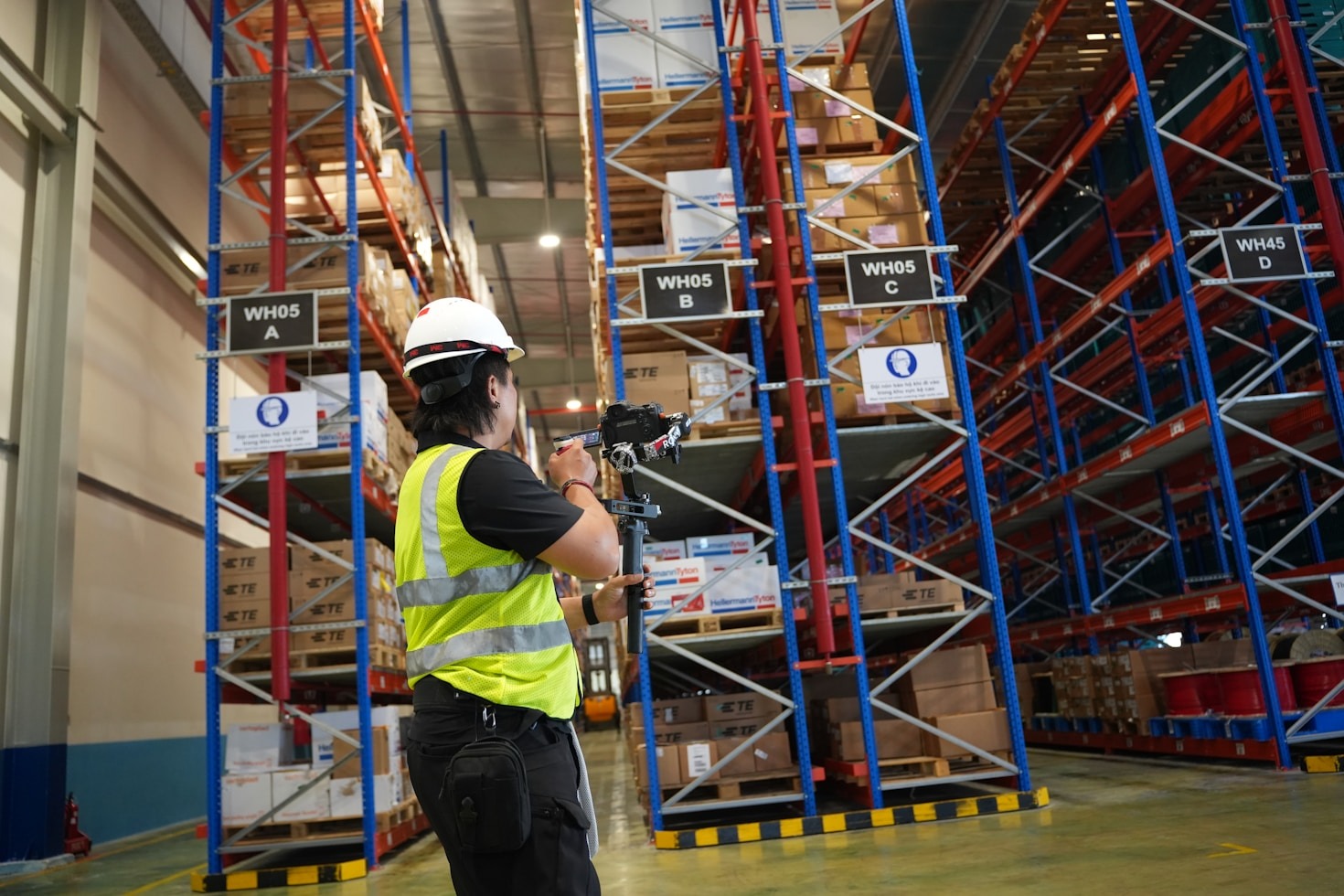
Operational excellence starts with leadership. Processes, systems, and metrics only work when leaders create clarity, accountability, and consistency across teams.
This article explores how strong operational leadership drives execution, builds disciplined teams, and creates environments where operational systems actually perform.
Leadership Sets the Operational Standard
Operational teams follow the standards leaders reinforce. When leaders tolerate inconsistency, unclear expectations, or reactive behavior, those patterns become the norm. Strong leaders define what “good” looks like and reinforce it daily through clear communication and example.
Accountability Drives Execution
Execution improves when accountability is built into daily operations. This includes clear ownership of metrics, routine performance reviews, and consistent follow-up. Accountability is not about blame it is about ensuring commitments translate into results.
Leaders Enable Systems, Not Firefighting
Operational excellence requires leaders to shift from constant firefighting to system-building. This means investing time in documenting processes, training teams, and using data to guide decisions instead of relying on individual heroics.


Practical Leadership Actions That Improve Operations
Operational leaders can improve performance by establishing daily management routines, reinforcing standard work, and reviewing key metrics consistently. Small leadership actions such as regular floor presence, clear communication of priorities, and timely feedback compound into meaningful operational gains over time.
Leadership Is the Foundation of Operational Excellence
Operational systems succeed or fail based on leadership behavior. Leaders who set clear expectations, enforce accountability, and prioritize systems over short-term fixes create organizations capable of consistent, scalable performance.
Strong leadership works best when supported by disciplined systems such as inventory control and process standardization.
Leave a Reply